Base Trading Course for Beginners
A Complete Guide for Brand New Traders
Welcome to Trading
This course will take you from zero knowledge to understanding the fundamentals of trading. Whether you're interested in stocks, forex, or cryptocurrencies, these core principles apply to all markets.
- How financial markets work
- Reading price charts and patterns
- Managing risk to protect your capital
- Building a solid trading foundation
Module 1: Understanding Trading
What is Trading?
Trading is the act of buying and selling financial assets to profit from price movements. Unlike long-term investing, traders focus on capturing shorter-term price changes in the market.
How Markets Work
Markets operate on supply and demand:
- When more people want to buy than sell → prices rise
- When more people want to sell than buy → prices fall
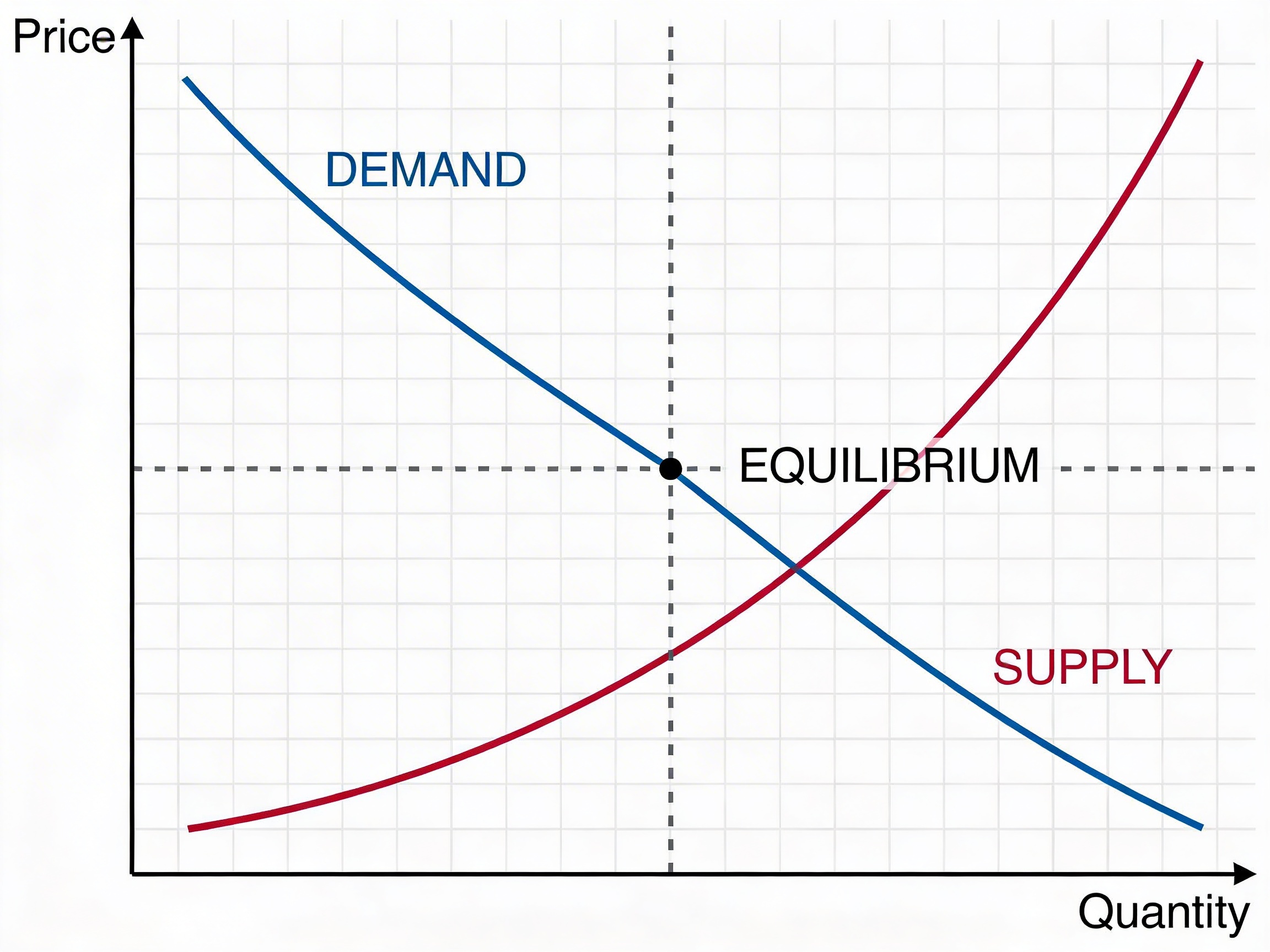
Figure 1: Supply and demand dynamics drive all market price movements
Trading vs Investing
| Trading | Investing |
|---|---|
| Short to medium-term (days to months) | Long-term (years to decades) |
| Profits from price movements | Profits from asset growth |
| Active management required | Passive approach possible |
| Higher risk, higher potential returns | Lower risk, steady growth |
Types of Markets You Can Trade
- Stock Markets - Shares of companies (Apple, Tesla, Microsoft)
- Forex Markets - Currency pairs (EUR/USD, GBP/JPY)
- Commodities - Physical goods (gold, oil, wheat)
- Cryptocurrencies - Digital assets (Bitcoin, Ethereum)
Module 2: Reading Price Charts
Understanding Candlestick Charts
Candlesticks are the most common way to visualize price action. Each candlestick shows four pieces of information:
- Open - Price at the start of the period
- High - Highest price reached
- Low - Lowest price reached
- Close - Price at the end of the period

Figure 2: Candlestick chart showing price action over time with green (bullish) and red (bearish) candles
- Green/White candles = Price closed higher than it opened (bullish)
- Red/Black candles = Price closed lower than it opened (bearish)
Market Structure: Trends
Markets move in three ways:
- Uptrend - Higher highs and higher lows (bullish)
- Downtrend - Lower highs and lower lows (bearish)
- Sideways/Range - Price bounces between support and resistance
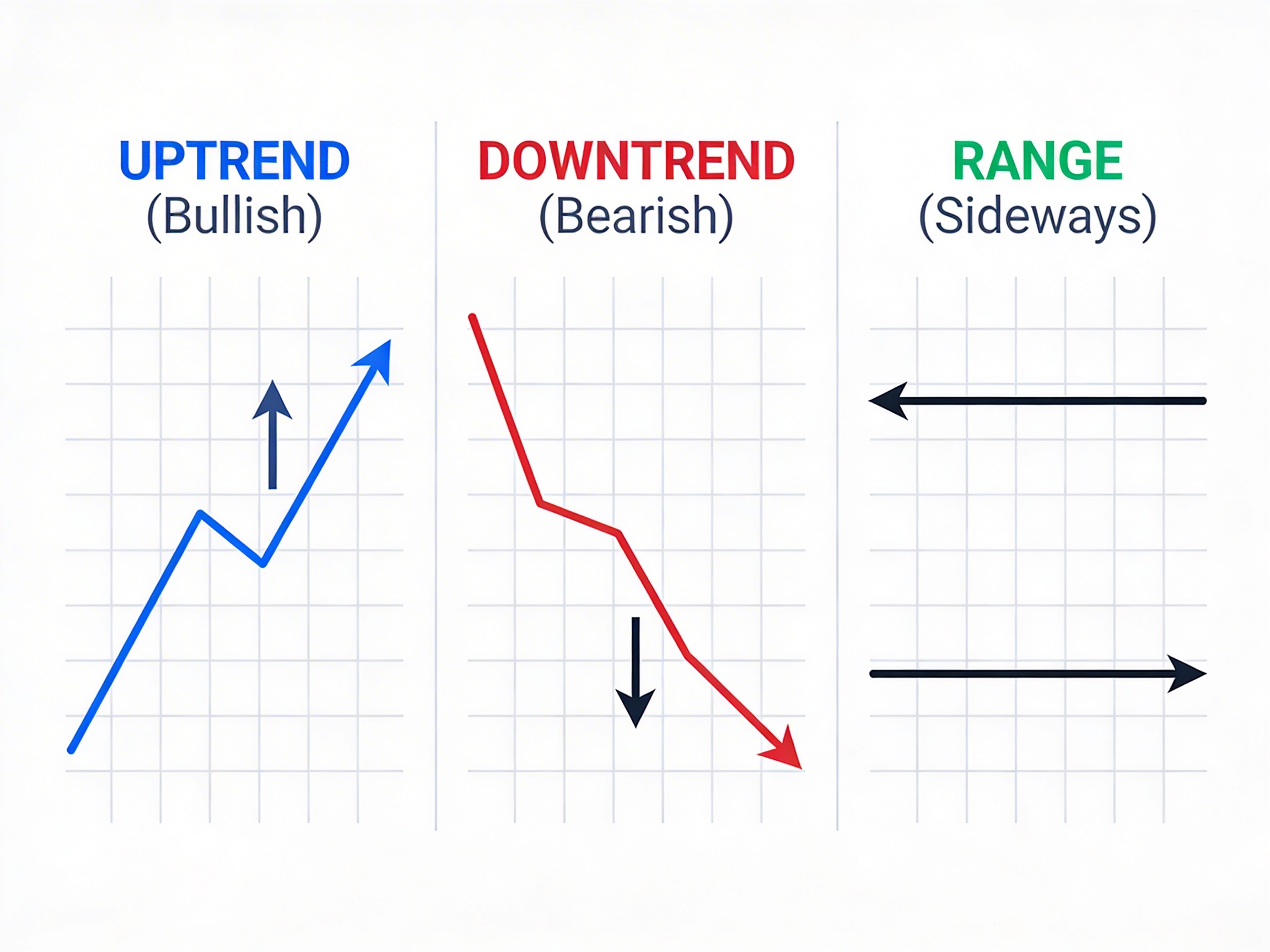
Figure 3: Understanding trend direction is crucial for trading decisions
Support and Resistance
Support levels are price areas where buying interest prevents further decline. Think of it as a "floor" that holds price up.
Resistance levels are price areas where selling pressure prevents further advance. Think of it as a "ceiling" that holds price down.
Why they matter: These levels help you identify where price is likely to reverse or break through, giving you entry and exit points.
Module 3: Technical Analysis Basics
Price Action Trading
Price action means analyzing raw price movements without relying heavily on complex indicators. You focus on what the chart itself is telling you about buyer and seller behavior.
- Price reflects all available information
- Patterns repeat because human behavior is predictable
- Simple often beats complex
Chart Patterns to Recognize
Common patterns that signal potential price movements:
- Triangles - Consolidation before a breakout
- Double tops/bottoms - Potential reversal signals
- Head and shoulders - Strong reversal pattern
- Channels - Price moving between parallel lines
- Flags and pennants - Continuation patterns

Figure 4: Chart patterns help identify potential trading opportunities
Technical Indicators (Use Sparingly)
While price action should be your foundation, indicators can confirm your analysis:
- Moving Averages - Show average price over a period, identify trends
- RSI (Relative Strength Index) - Measures overbought/oversold conditions
- MACD - Shows momentum and trend direction
Beginner mistake: Loading charts with too many indicators. Start with 1-2 maximum.
Module 4: Executing Trades
Order Types Explained
| Order Type | When to Use |
|---|---|
| Market Order | Execute immediately at current price - use when speed matters more than exact price |
| Limit Order | Execute only at your specified price or better - use when you want price control |
| Stop Order | Triggers when price reaches a level - use for stop-losses or breakout entries |
Long vs Short Positions
Long Position (Buying):
- You profit when price goes UP
- Buy low, sell high
- Most intuitive for beginners
Short Position (Selling):
- You profit when price goes DOWN
- Sell high, buy low
- Requires borrowing the asset first

Figure 5: Modern trading platforms make executing orders simple and fast
Module 5: Risk Management (Most Important!)
The 1-2% Rule
Never risk more than 1-2% of your total capital on a single trade.
- Account size: $10,000
- Maximum risk per trade: $100-$200 (1-2%)
- This ensures losing streaks won't destroy your account
Stop-Loss Orders: Your Safety Net
Always define your maximum loss BEFORE entering a trade. A stop-loss automatically closes your position if price moves against you.

Figure 6: Protecting your capital is the foundation of successful trading
Where to place stop-losses:
- Below support levels for long trades
- Above resistance levels for short trades
- Based on volatility and market conditions
Risk-Reward Ratio
Aim for at least 2:1 risk-reward on every trade:
- If you risk $100, target at least $200 profit
- This means you can lose 50% of trades and still be profitable
| Win Rate | Risk:Reward | Overall Result |
|---|---|---|
| 40% | 1:2 | Profitable |
| 50% | 1:2 | Very Profitable |
| 60% | 1:2 | Excellent |
Module 6: Trading Psychology
The Mental Game
Trading is 80% psychology, 20% strategy. Your biggest enemy is your own emotions.
Common psychological challenges:
- Fear - Prevents you from taking valid trades or causes premature exits
- Greed - Makes you overtrade or hold winners too long
- Revenge trading - Trying to quickly recover losses with impulsive trades
- Overconfidence - Taking excessive risk after a winning streak
Think in Probabilities
Individual trades don't matter - what matters is having an edge over many trades. Even the best strategies lose sometimes.
- Accept losses as part of the business
- Focus on executing your plan consistently
- Judge yourself on process, not individual outcomes

Figure 7: Emotional discipline separates successful traders from the rest
The Power of a Trading Plan
A written trading plan removes emotion from decision-making. It specifies exactly when you'll enter, exit, and how much you'll risk - no guessing in the moment.
Module 7: Building Your Trading Plan
Essential Components
Your trading plan must include:
- Market selection - Which assets you'll trade
- Timeframe - Day trading, swing trading, or position trading
- Setup criteria - Exact conditions that trigger a trade
- Entry rules - When and how to enter positions
- Position sizing - How much capital per trade
- Stop-loss placement - Where you'll exit if wrong
- Profit targets - When and how to take profits
- Trading schedule - When you'll be active
Choose Your Trading Style
| Style | Time Commitment | Best For |
|---|---|---|
| Day Trading | Full-time (4-8 hours daily) | Those who can watch markets |
| Swing Trading | Part-time (1-2 hours daily) | People with day jobs |
| Position Trading | Minimal (weekly check-ins) | Patient, long-term thinkers |
Start Simple
Beginners should focus on:
- One market (e.g., only stocks or only forex)
- One strategy (e.g., breakout trading)
- One timeframe (e.g., daily charts)
Master the basics before adding complexity.
Module 8: Practice and Development
Step 1: Demo Trading
Open a demo account with virtual money to practice risk-free:
- Learn your trading platform
- Practice order execution
- Test your strategies
- Build confidence without financial pressure
Duration: Spend at least 1-3 months in demo trading before using real money.
Step 2: Paper Trading
Track trades in real-time without executing them. Write down:
- Entry price and reason
- Stop-loss and target
- Actual outcome
- What you learned
This builds pattern recognition and emotional discipline.
Step 3: Backtesting
Review historical charts to see how your strategy would have performed:
- Scroll back 6-12 months on charts
- Mark where you would have entered/exited
- Calculate hypothetical profit/loss
- Identify what works and what doesn't
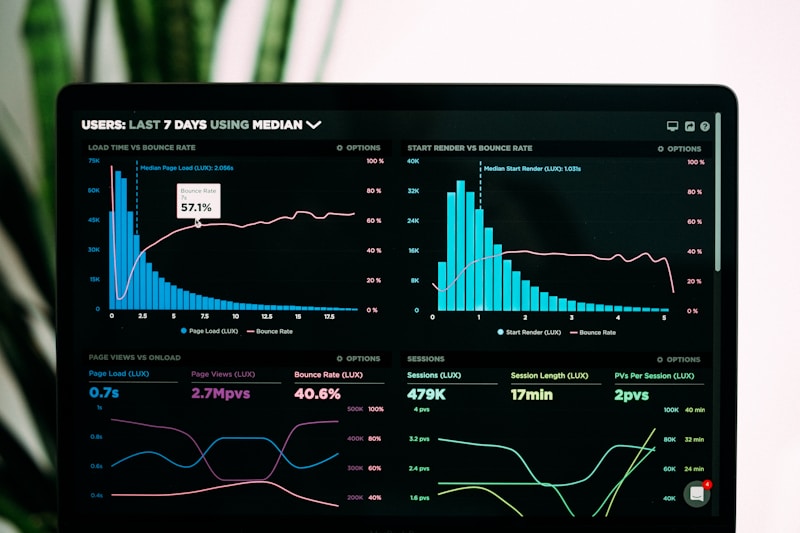
Figure 8: Practice and backtesting build the skills needed for live trading
Step 4: Start Small with Real Money
When ready for live trading:
- Use minimum position sizes
- Risk only 0.5-1% per trade initially
- Focus on executing your plan perfectly
- Gradually increase size as you prove consistency
Important: Treat trading like a profession that requires dedicated learning time.
Your Action Plan
Week 1-2: Foundation
- Study Modules 1-3 thoroughly
- Open a demo account
- Practice reading charts daily for 30 minutes
- Identify support/resistance levels on different charts
Week 3-4: Strategy Development
- Study Modules 4-5
- Choose one simple strategy to focus on
- Backtest it on 50+ historical examples
- Write your trading plan
Month 2-3: Practice
- Study Modules 6-8
- Demo trade your strategy
- Take at least 20-30 practice trades
- Journal every trade and review weekly
Month 4+: Live Trading
- Start with minimum position sizes
- Maintain strict risk management
- Continue learning and adapting
- Scale up slowly based on consistent results
Final Words of Wisdom
Key principles for success:
- Protect your capital - Risk management is more important than finding perfect trades
- Be patient - Most traders lose money in their first year; expect a learning curve
- Stay disciplined - Follow your plan even when emotions tell you otherwise
- Keep learning - Markets evolve; successful traders adapt
- Start small - Never trade money you can't afford to lose
Avoid these common beginner mistakes:
- Paying for expensive courses initially (use free resources first)
- Overtrading or trading impulsively
- Ignoring risk management rules
- Giving up after initial losses
- Comparing yourself to others

Figure 9: Your trading journey begins with education and disciplined practice
Trading is a skill that takes time to develop. Focus on continuous improvement, protect your capital, and remember that consistency beats perfection. Welcome to your trading journey!